
Transparency Could Help Caribbean Nations Lower Sky-High Electricity Prices
Policy recommendations for Jamaica, Guyana, St. Lucia, and Barbados


Many Caribbean nations have some of the highest electricity prices in the world driven by dependence on imported fuel, small grid systems, and costly power contracts.
One important tool to lower those costs is improved transparency around power contracts. By disclosing key contract terms, governments, regulators, and consumers can better assess whether projects deliver value and benchmark prices against comparable deals across the region. This openness reduces the risk of being locked into costly, long-term arrangements that further weaken power sectors by increasing dependence on imported fuel, decreasing competition, and worsening public debt and investment risk.
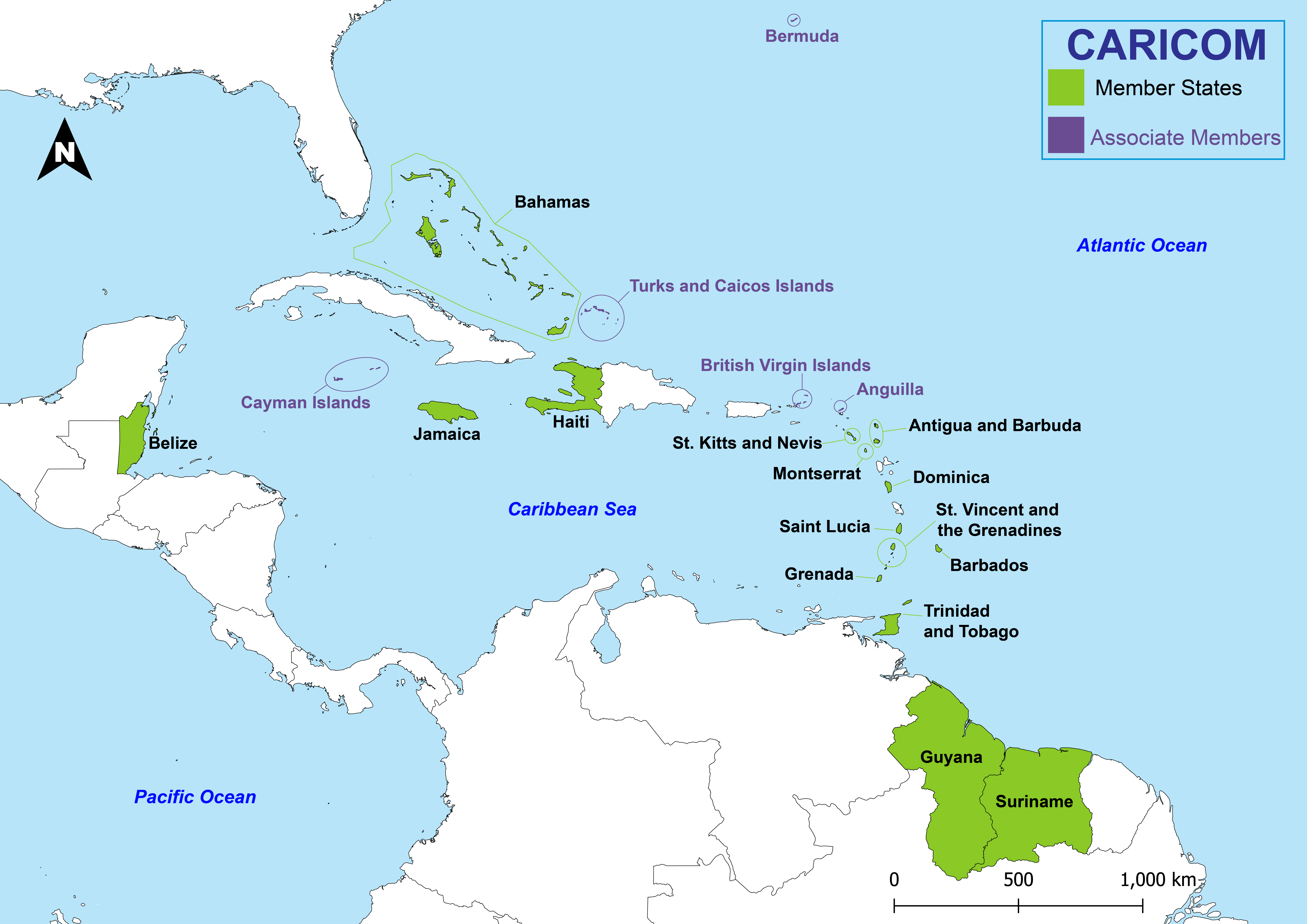
Kevin Ramnarine, a Hub fellow and former energy minister for Trinidad and Tobago, recently analyzed the challenges and opportunities in the region, focusing on four countries: Jamaica, Saint Lucia, Guyana, and Barbados. Each country is at a point where transparency could be a particularly powerful reform lever.
In the reports referenced below, Kevin offers recommendations that speak to the unique dynamics in each country. Across them all, a few common policy threads emerge:
Mandate transparency through the public disclosure of all power purchase agreements.
Strengthen oversight by regulators and government agencies.
Improve accountability by publicly sharing reports on contract performance.
Advance regulatory reforms where needed.
Build institutional capacity within governments so they are better prepared to negotiate with power providers.
Read on for a summary of Kevin’s insights, and links to the full reports.
Transparency in the Caribbean Community electricity sector overall
Elevated electricity costs in the Caribbean Community are a major drag on economic development and export competitiveness, with energy imports consuming approximately 7% of regional GDP. As the region shifts toward renewable energy to mitigate these costs, the lack of transparency in power contracting remains a critical barrier to sustainable growth, writes Kevin.
To address the regional energy situation, countries in the CARICOM group must prioritize transparency and integration.
Download the full snapshot for Kevin’s full policy recommendations (5 pages).
In Jamaica, renegotiating with the central utility provides an opportunity to reform the electricity sector
Jamaica is entering a critical phase of power sector reform. Despite diversifying its power sources, Jamaica continues to face some of the highest electricity tariffs in the region and globally, driven by system losses of roughly ~27% and legacy power purchase agreements that have locked in high costs.
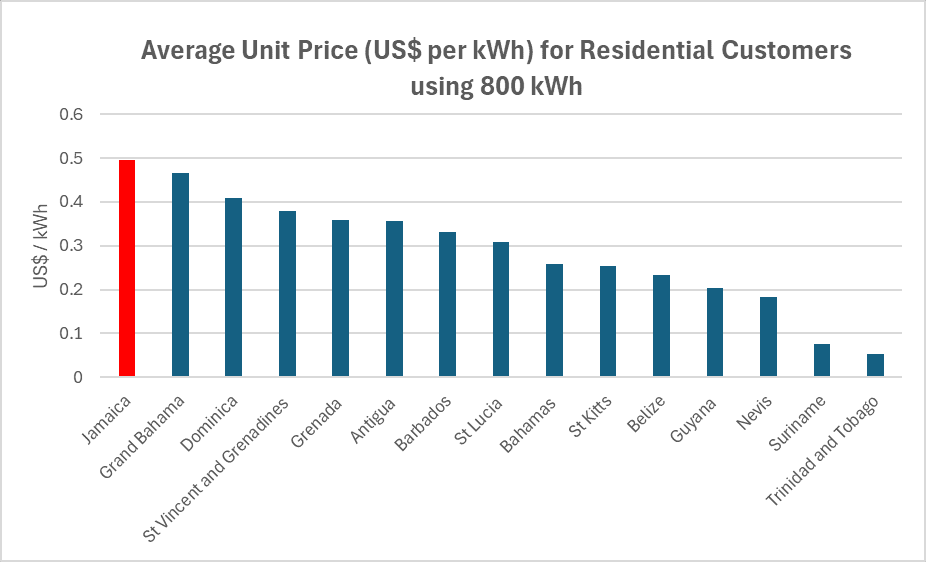
In late 2025, the government announced it would not renew the Jamaica Public Service Company’s (JPS) license under its current terms. JPS sits at the center of the sector, making the decision a potential turning point in the structure and governance of Jamaica’s electricity market.
But the success of this transition will depend on whether reforms tackle underlying issues.
Download the full snapshot for full policy recommendations (8 pages).
Guyana eyes large-scale power projects to meet surging electricity demand
Guyana is experiencing a rapid surge in electricity demand, driven by economic expansion following the start of offshore oil production in 2019.
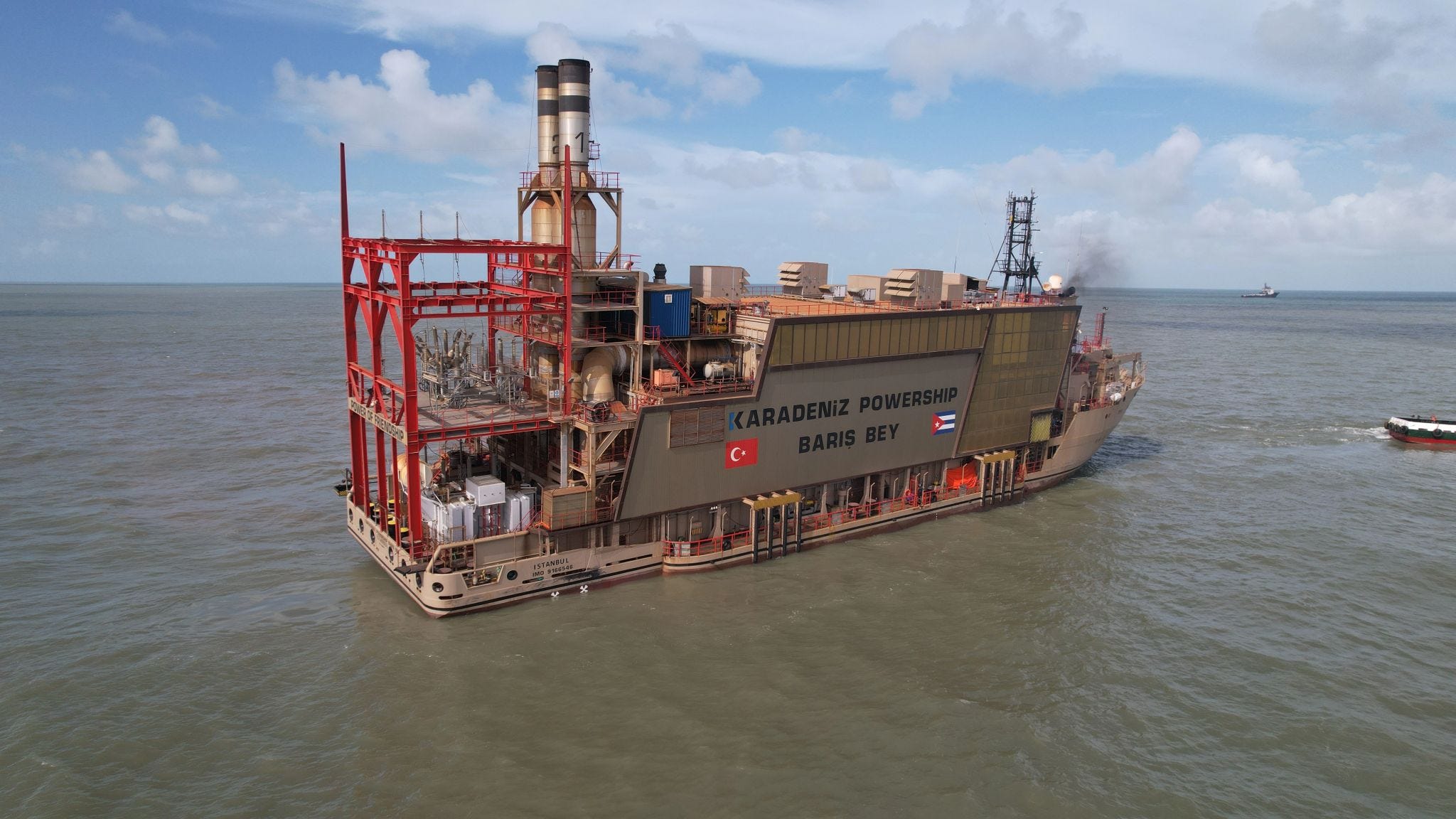
To close a widening power supply gap, the state-owned utility has relied on powerships and is advancing a large-scale Gas-to-Energy project, expected to reduce generation costs when it comes online by the end of 2026. However, the system remains fiscally fragile. The utility carries arrears of roughly US$393 million (as of 2024) to the government and depends on subsidies to keep tariffs stable.
As Guyana shifts toward long-term Independent Power Producer contracts, transparency will be important to ensuring these arrangements deliver their intended benefits.
Download the full snapshot for full policy recommendations (5 pages).
Saint Lucia looks for a way out of the “energy waiting room”
Despite a bold national target of reaching 50% renewable energy by 2030, Saint Lucia remains heavily dependent on imported diesel to meet nearly all its electricity needs.
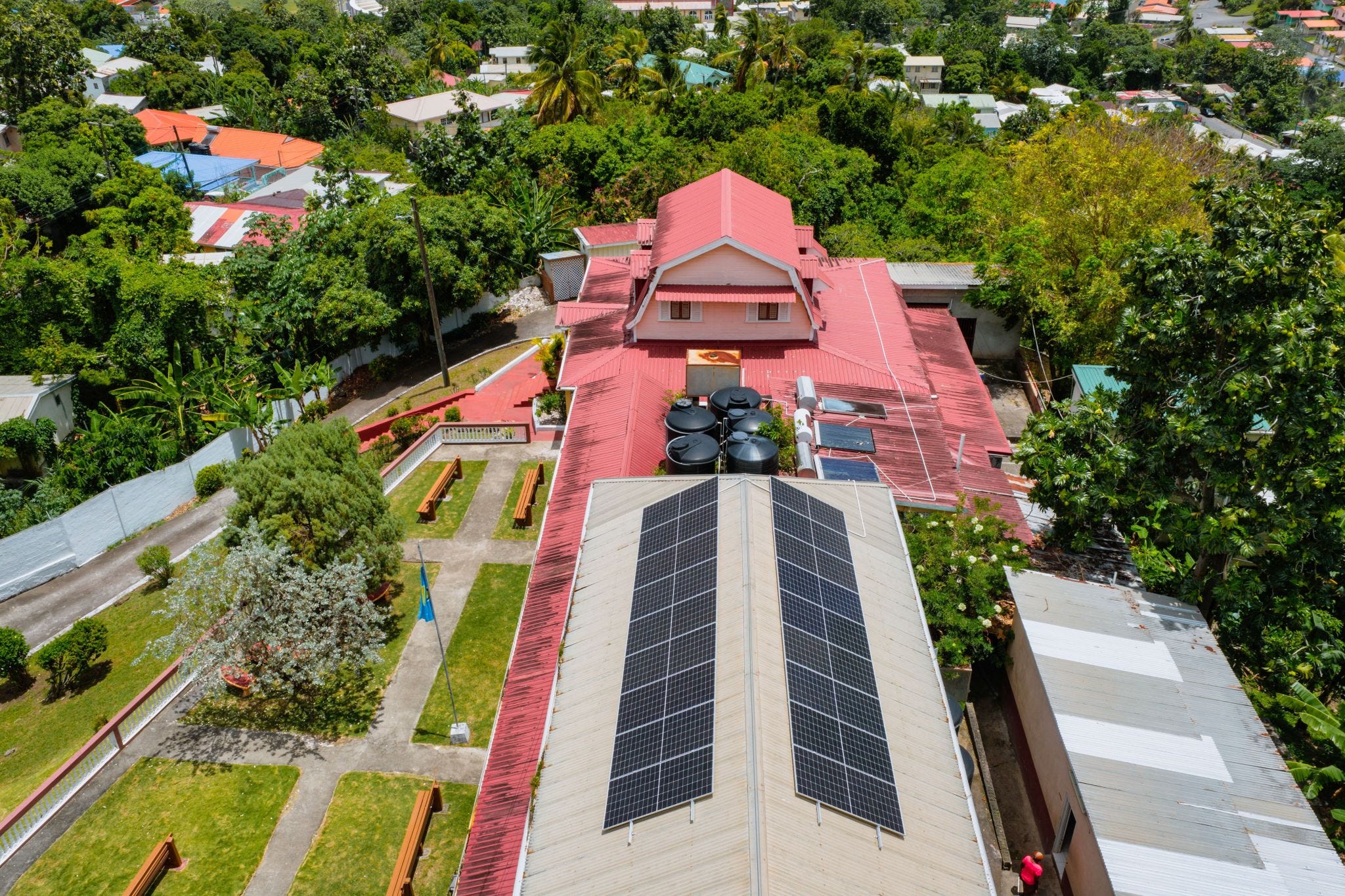
The sector is anchored by a utility holding an 80-year exclusive license, while the legislative reforms intended to invite private competition remain stalled or incomplete. As international oil prices fluctuate, the urgency to move from diesel dependency to a transparent market has never been higher, which could ensure long-term energy security for its tourism-driven economy.
Read the full snapshot for full policy recommendations (4 pages).
Barbados looks to pass new legislation and implement market reforms to tackle painfully high power prices
Despite near-universal electrification and ambitious targets to reach 100% renewable energy by 2030, Barbados still has some of the highest electricity prices in the Caribbean, driven in part by fuel cost pass-through mechanisms.
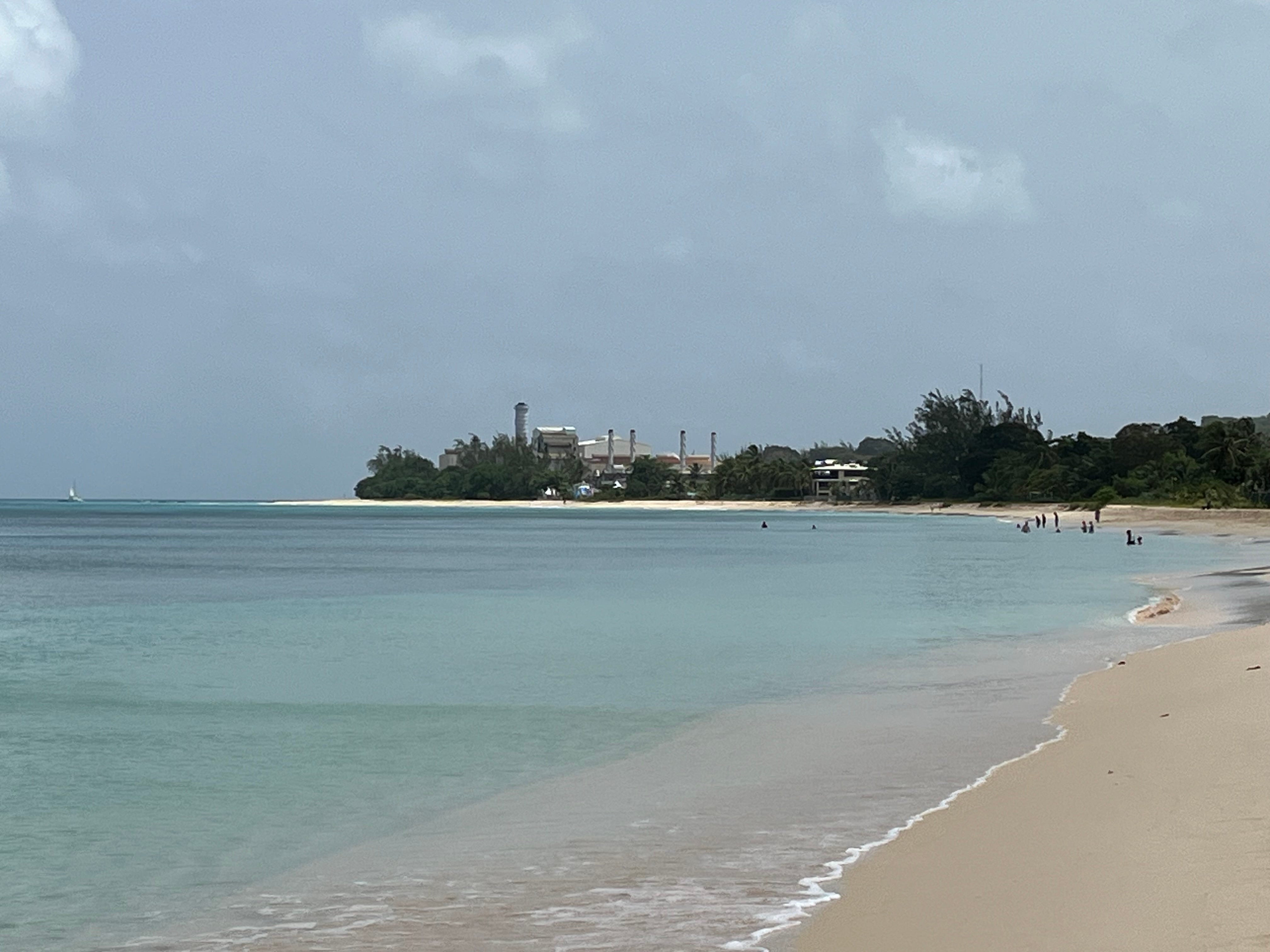
Barbados is at a crossroads: it has the legal framework for transparency but falls short of developing the necessary implementation mechanisms. With high electricity prices and a looming “storage crisis,” the government must act now to ensure the next wave of renewable power purchase agreements and battery storage contracts are transparent and competitively sourced to maintain public and investor confidence.
Read the full snapshot for full policy recommendations (6 pages).
 | A guest post by
|
 | A guest post by
|